
Pulp Nude Fiction
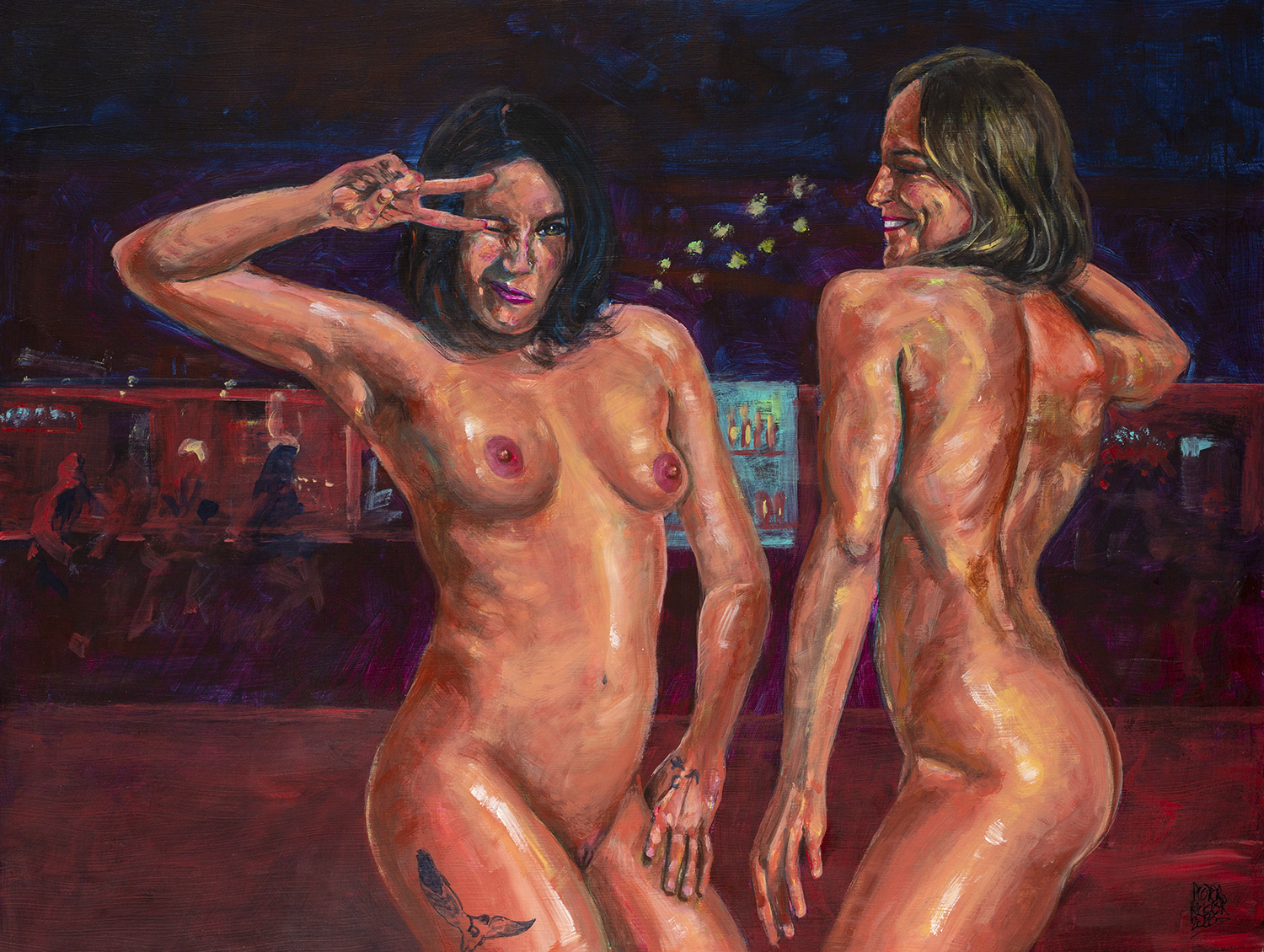
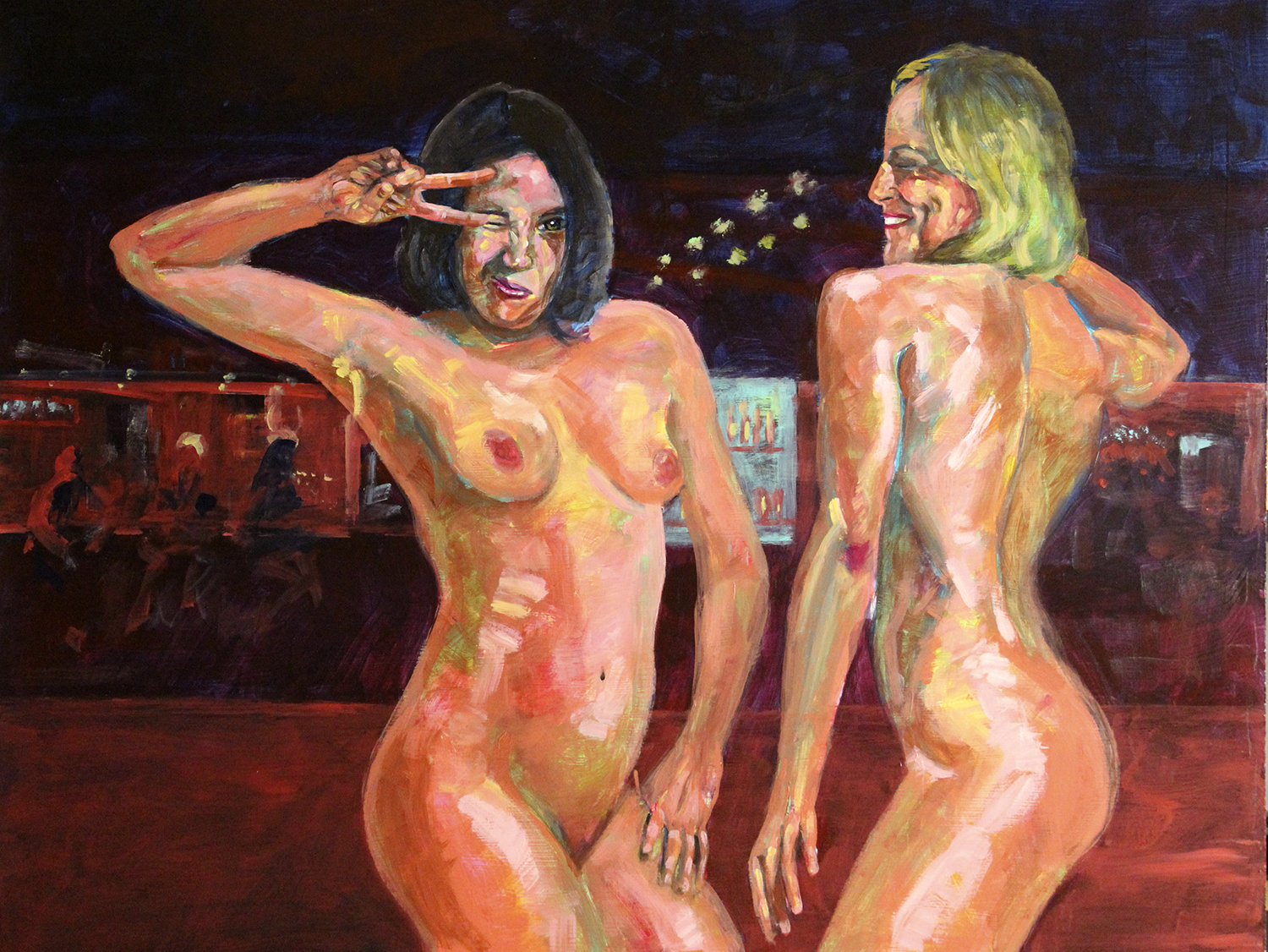
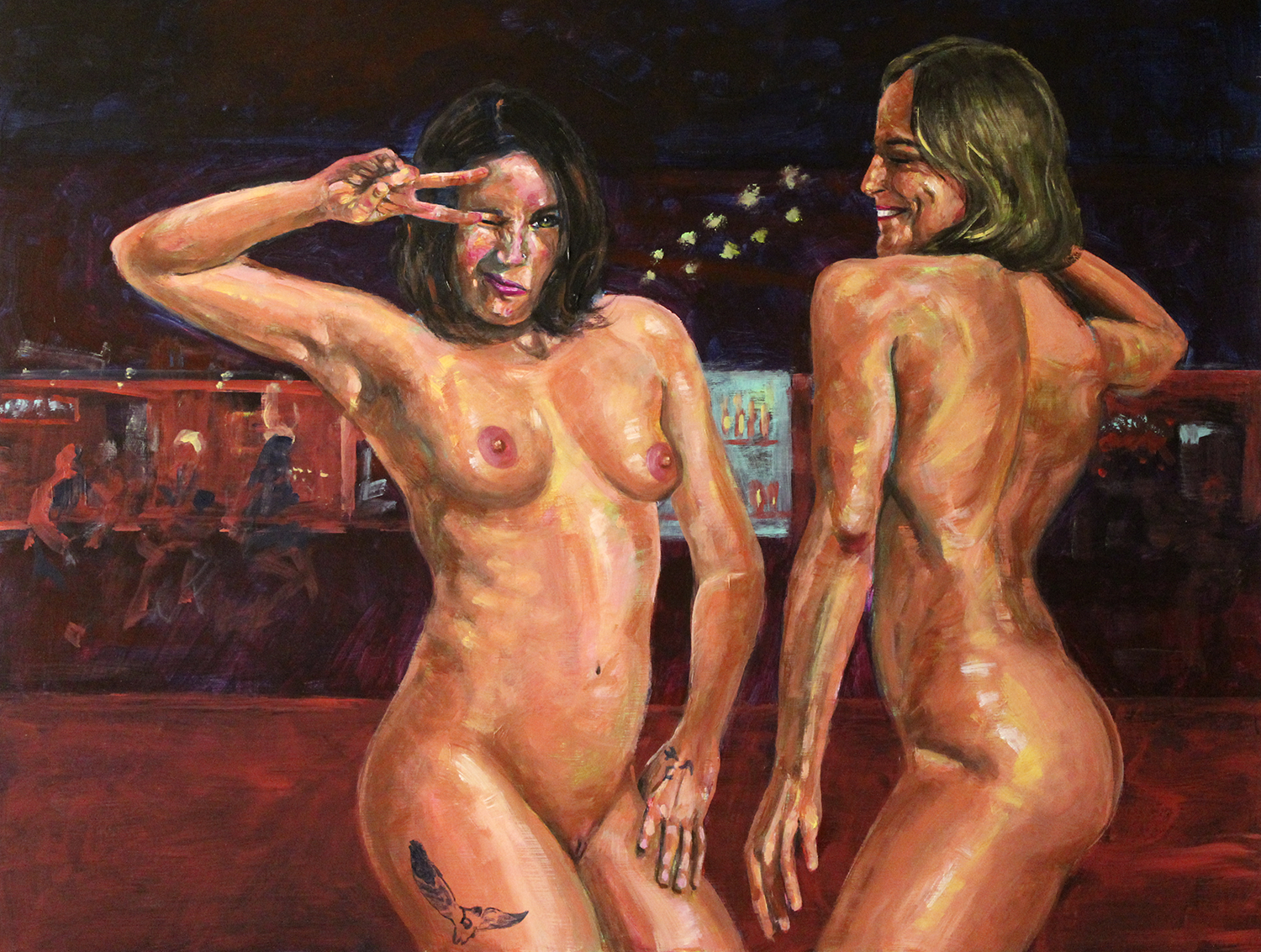
Pulp Nude Fiction is a painting that reinterprets, through contemporary eroticism and the freedom of the female body, the irreverent energy associated with the world of Quentin Tarantino’s film Pulp Fiction.

Artwork details
- Title: Pulp Nude Fiction
- Series: Erotic homage to the most iconic dance scenes in film history
- Inspiration: Scene performed by John Travolta and Uma Thurman in the film Pulp Fiction, directed by Quentin Tarantino
- Technique: Acrylic on MDF board
- Dimensions: 60 x 80 cm
- Artist: Pictor Mulier
- Year: 2026
Pulp Nude Fiction inspired by the film Pulp Fiction
This is neither a literal quotation nor a narrative reproduction of the film, but rather an artistic appropriation of its cultural atmosphere: boldness, scenic tension, recognizable iconography, and a pop theatricality that is here transformed into a celebration of desire, complicity, and female sovereignty.
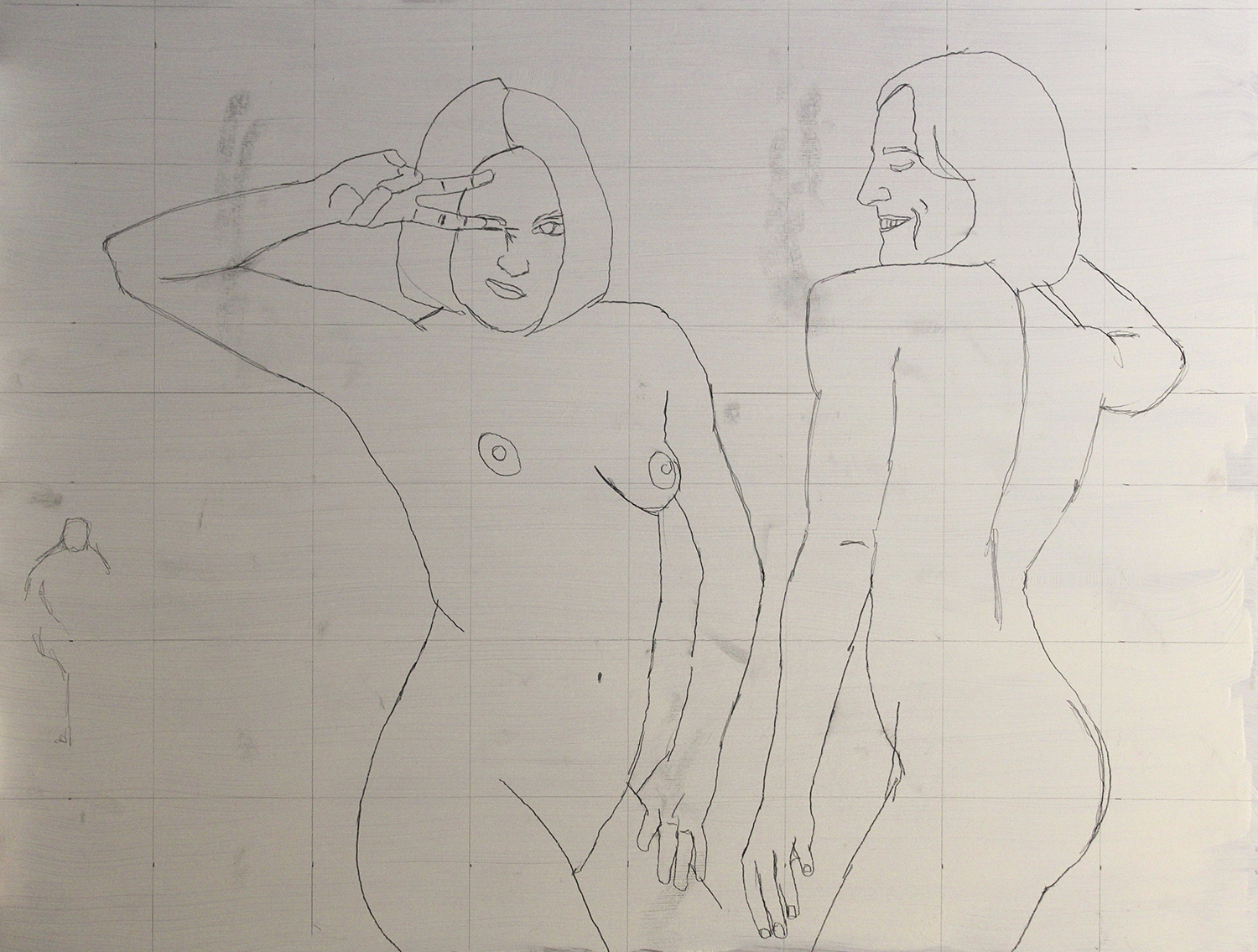
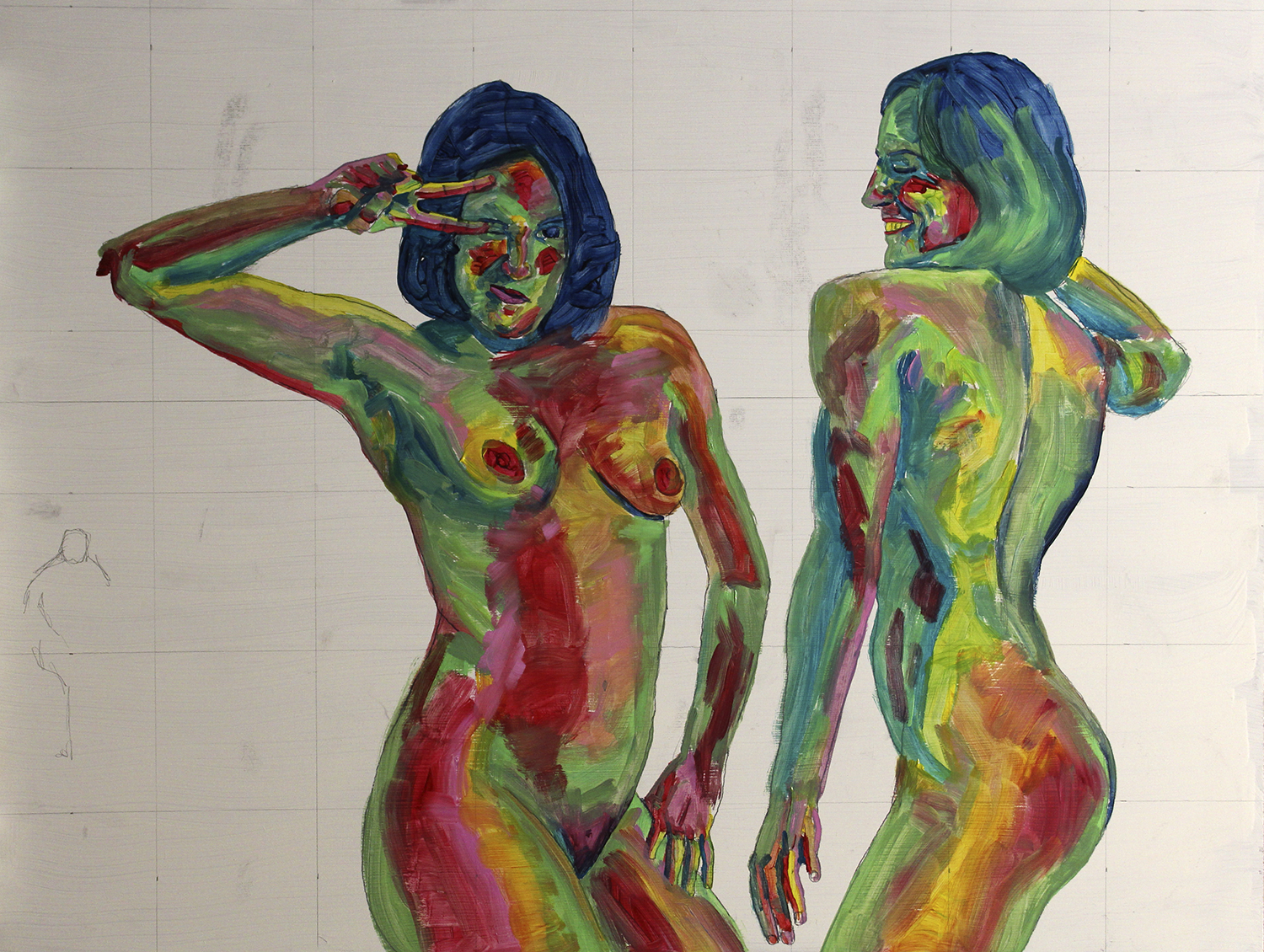
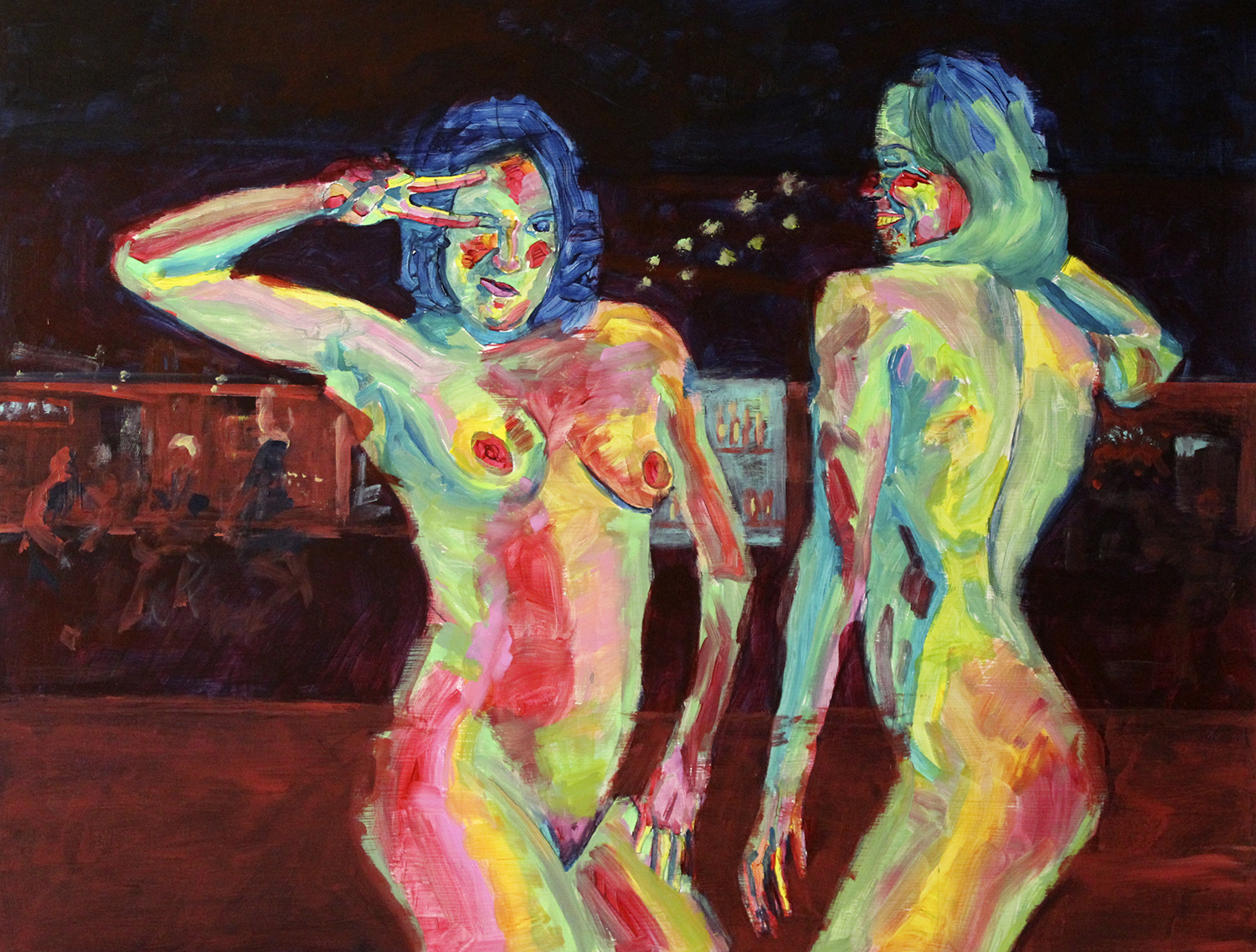
In this work, two nude women occupy the pictorial space with a confidence that dismantles any passive reading. One faces the viewer directly, playing with gesture and gaze; the other turns, revealing her muscular back, her smile, and the bodily rhythm of someone who knows exactly that she is being seen and has nothing to hide. Both seem to take part in a chosen, shared, and enjoyed scene.
This is one of the painting’s essential keys: nudity does not appear as surrender or vulnerability, but as affirmation, presence, and will.
An erotic and painterly reinterpretation of the pop imaginary
The reference to Pulp Fiction functions here as a cultural starting point of enormous power. The title immediately activates a collective visual memory associated with cult cinema, stylized insolence, narrative rhythm, and an iconography that belongs to the contemporary imagination. Yet the painting shifts that universe toward another territory: erotic figuration, the female body as an expressive core, and visual freedom turned into painterly gesture.
The result is not an illustration of the film, but an autonomous work that takes its aesthetic vibration and turns it into something else. Instead of violence, there is sensuality. Instead of cynicism, there is play. Instead of detachment, there is embodiment. Pop culture becomes flesh, color, matter, and desire.
The scene: two bodies, one attitude, a shared freedom
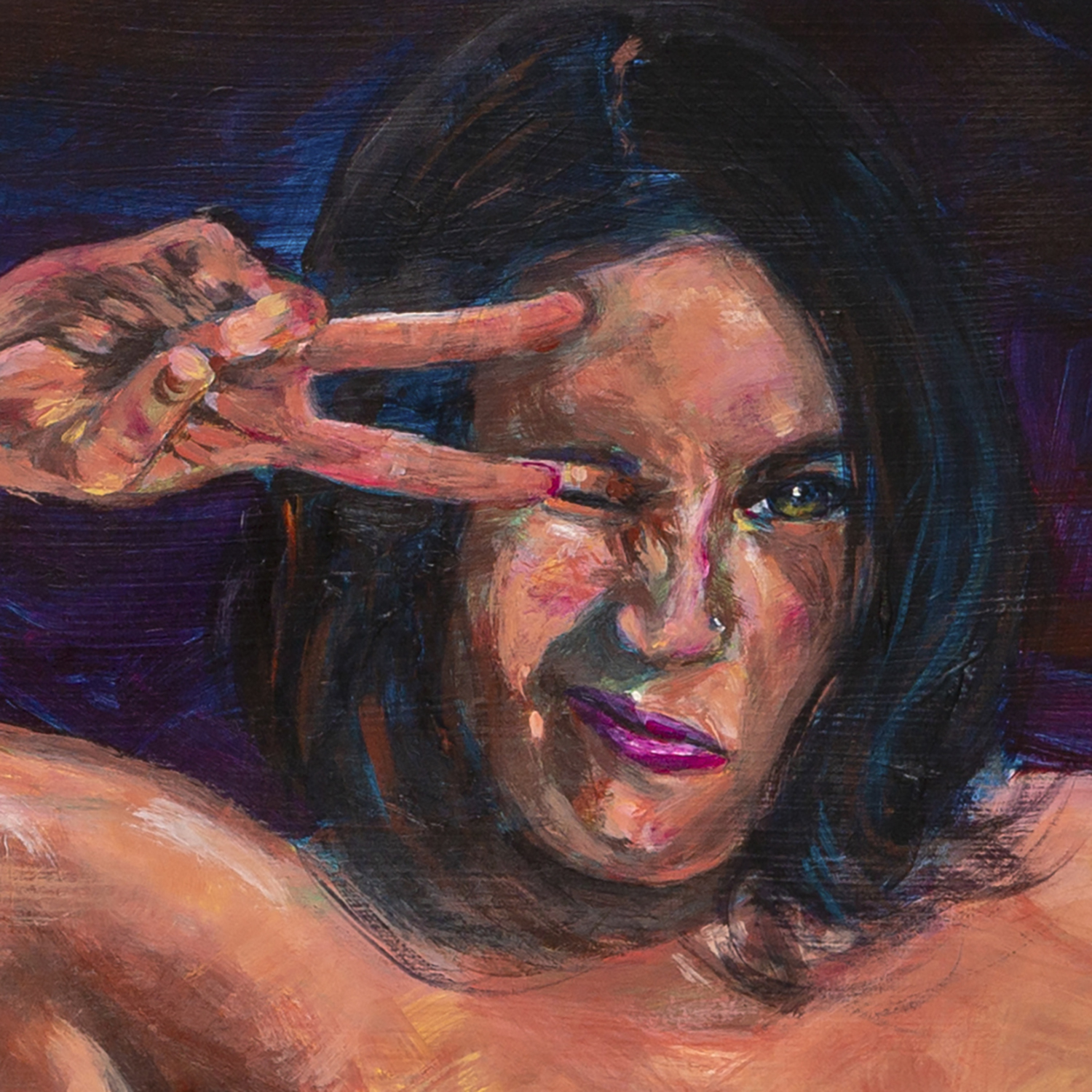
One of the greatest visual strengths of Pulp Nude Fiction lies in the relationship between the two figures. They are not simply two juxtaposed nudes: together they form a scene with inner tension, humor, and a complicity that is immediately perceptible. The woman in the foreground directs a bold and playful gesture toward the viewer that breaks any solemnity. She does not ask permission. She does not offer herself timidly. She presents herself with joy, irony, and determination. Her nudity is inseparable from her attitude.
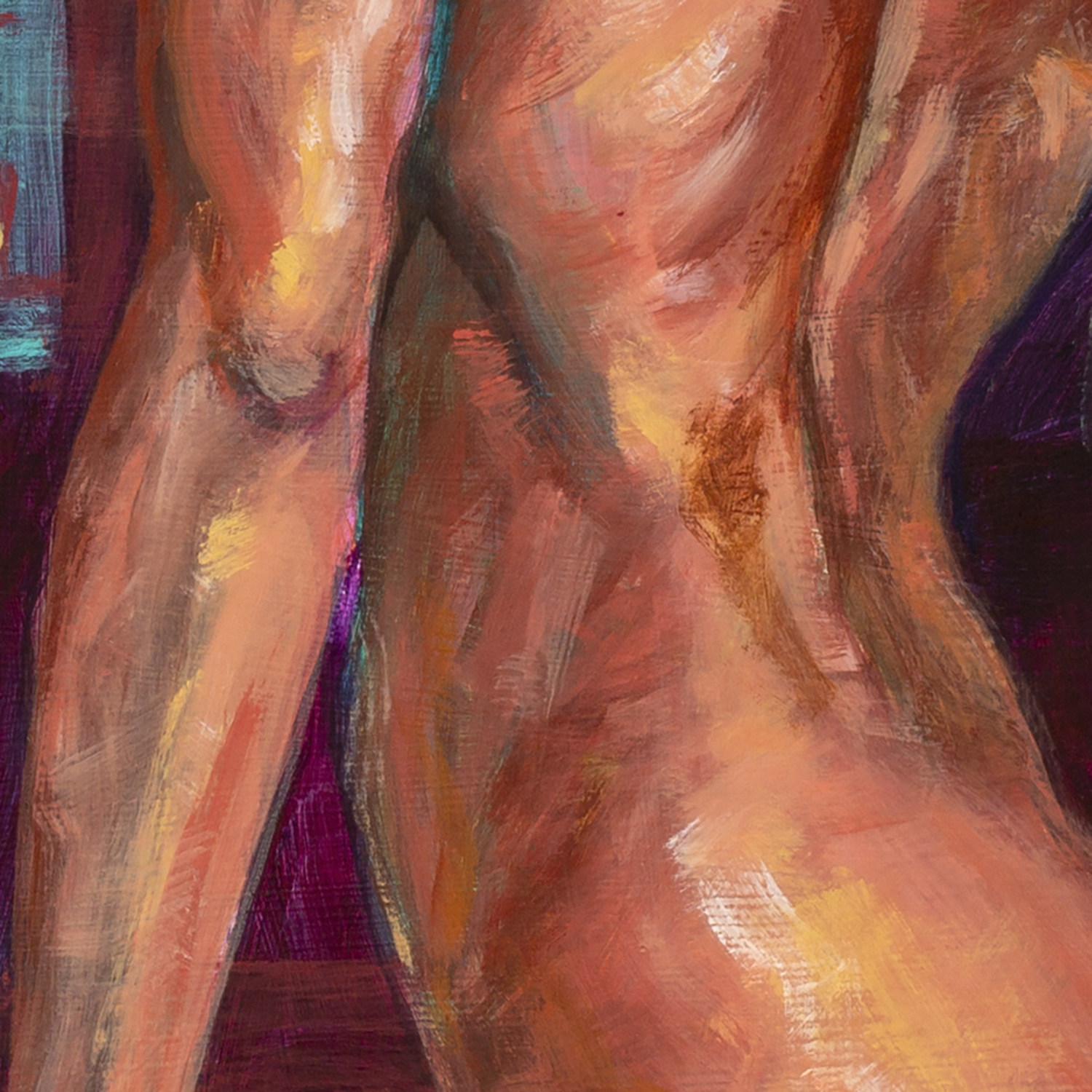
The second figure, seen from the back, introduces another complementary register: a more sinuous, almost choreographic sensuality that adds movement and rhythm to the composition. Her posture does not suggest withdrawal, but assurance. The partial turn of her face, her smile, and the twist of her back transform her presence into a silent affirmation of bodily power. Between them, a scene is created in which the viewer does not dominate the image: they enter a game that already existed before their gaze. This gives the painting a particular force. Its eroticism is born precisely from that autonomy.
The women are not there to be defined from the outside, but to assert their own way of appearing.
Eroticism, humor, and female complicity
Many erotic images are weakened by excessive gravity or by dependence on clichés. Pulp Nude Fiction, by contrast, finds a livelier voice thanks to the presence of humor and irony.
There is boldness, but no vulgarity.
There is display, but no submission.
There is desire, but no theatrical rigidity.
That intelligent lightness gives the work a singular personality.
The painting suggests that showing oneself nude can also be an act of joy, play, and mastery over one’s own representation. That idea connects with a contemporary reading of the female body as a territory of decision, not obedience. The complicity between the figures further reinforces the feeling that the scene is sustained from within, by a shared energy that requires no outside justification.
For that reason, this work may appeal both to those seeking erotic art and to those seeking painting with character. Its strength does not depend solely on nudity, but on the way that nudity is lived, embodied, and transformed into visual language.
From Pulp Fiction to a contemporary erotic painting
The most evocative works inspired by cinema are not those that repeat a famous scene, but those that absorb its atmosphere and reformulate it through a language of their own.
In Pulp Nude Fiction, the cinematic influence is recognizable in the visual pulse of the image: a certain pop insolence, a nocturnal backdrop, a scenic tension close to spectacle, and a composition that seems born from a memorable instant. Yet all of that remains subordinate to the painting’s inner logic.
The work thus proposes a symbolic mutation: a central reference of contemporary cinema is transferred into the realm of figurative erotic painting and filtered through a sensibility that privileges female freedom, the pleasure of self-display, and the presence of bodies that belong to themselves. That transformation is precisely what gives the work cultural depth. It does not only engage with a well-known film; it also engages with the history of the gaze, with the representation of the nude, and with the current possibilities of intensely material figurative painting.
Painterly technique: color, matter, and vibration
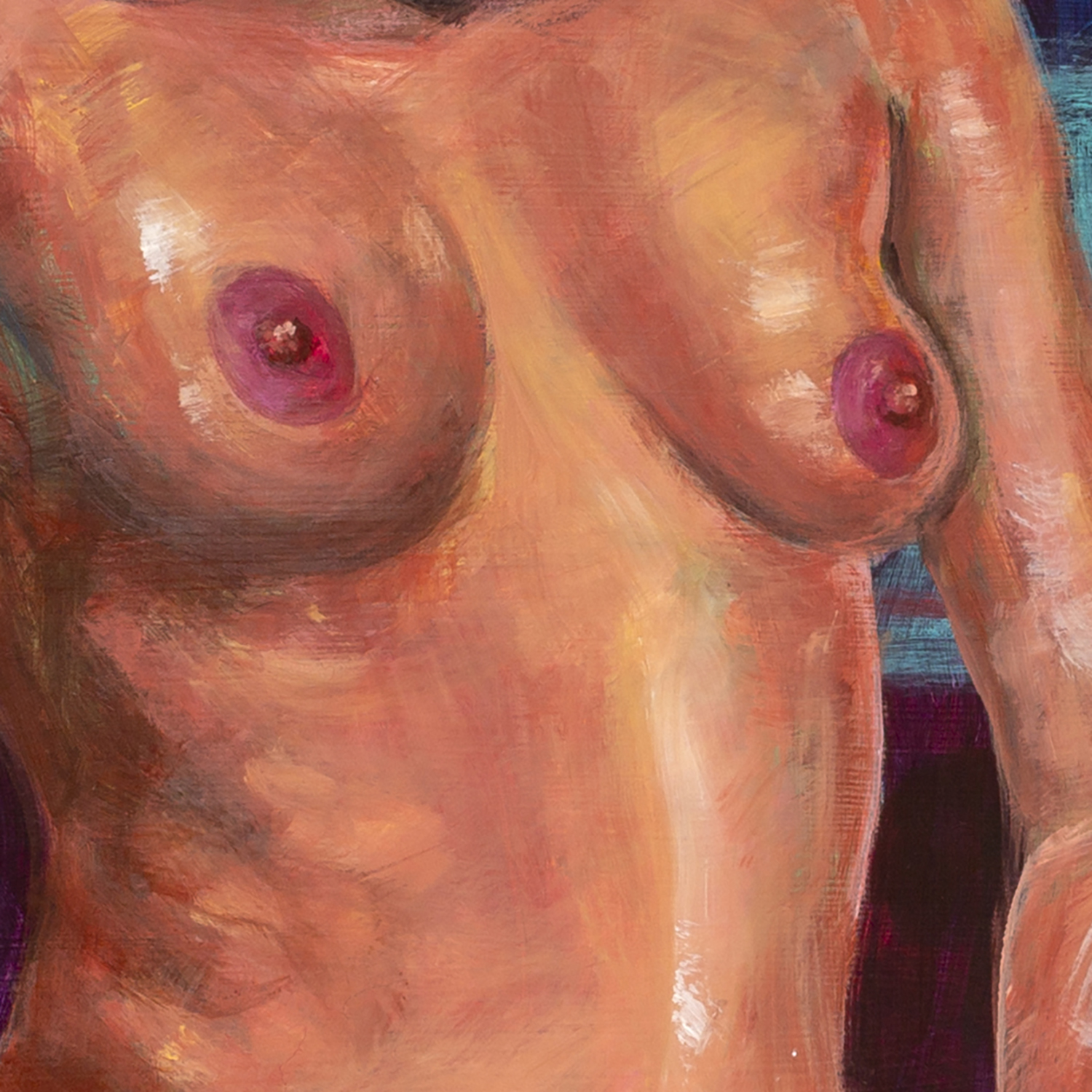
The strength of Pulp Nude Fiction lies not only in its subject, but also in its painterly construction. The surface reveals work based on layers of color, vivid transitions, and loose brushstrokes that renounce photographic finish in order to gain breath, presence, and material truth. Flesh is not treated as a smooth, idealized surface, but as a vibrant field of temperatures, reflections, and chromatic tensions.
Pinks, violets, deep blues, and warm skin tones build a nocturnal atmosphere of intense sensory power. The background does not act as a mere setting: it participates emotionally in the scene, pushing the composition toward an atmosphere that is at once urban, theatrical, and sensual. The visible brushwork always preserves the memory of the gesture, so that the painting may be read in two complementary ways.
Up close, matter appears, along with the trace of the brush and the independence of each tone. The viewer then perceives the painting as painting: a sum of decisions, layers, and contrasts. From a certain distance, however, those chromatic fragments integrate and construct the figurative power of the whole. This oscillation between near abstraction and distant realism brings visual richness and renews the work with every gaze.
A work for collectors of erotic art and cinematic culture
Pulp Nude Fiction may be especially attractive to collectors interested in the intersection of contemporary figuration, eroticism, and recognizable cultural references. It may also appeal to those who find in cult cinema a source of aesthetic sensibility, or to galleries that value works capable of engaging with popular culture without sacrificing painterly rigor.
The painting also possesses a highly valuable distinguishing element: it does not merely show nude bodies, but articulates a scene with character, tone, and a precise idea of freedom. That broadens its reading and places it closer to a work with a discourse than to an image that is simply provocative.
Frequently asked questions about Pulp Nude Fiction
What does “Pulp Nude Fiction” represent?
It represents a scene of free, complicit, and affirmative female nudity, inspired by the pop and cinematic imaginary associated with Pulp Fiction, yet transformed into an autonomous painting of contemporary eroticism.
Is it directly inspired by Pulp Fiction?
Yes. The work takes as its starting point the cultural and visual energy surrounding Pulp Fiction, specifically the scene in which Uma Thurman and John Travolta dance to the song “You Never Can Tell” by Chuck Berry. However, it does not seek to reproduce literally any specific scene from the film. It is a free artistic reinterpretation.
What technique does Pictor Mulier use in this work?
The work is built through layers of color and loose, visible brushstrokes that generate a strong chromatic vibration. Up close, the pictorial material becomes apparent; from a distance, the image acquires great figurative coherence.
Is it part of a series?
Yes. This painting fits naturally into a line of work centered on erotic homages to iconic scenes from cinema, reinterpreted through a contemporary painterly sensibility.
Does Pictor Mulier accept commissioned works?
Yes. The page may conclude with an invitation to request a commissioned erotic portrait, especially aimed at people seeking an intimate, free, and exclusive representation.